

Winter is well known as cold and flu season, and usually around this time of year I’m sending out my favorite immune boosting remedies. Tasty things like elderberry syrup and ginger oxymel, that warm the system and comfort you body and soul as we navigate the darkest part of the year.
But…winter is also ice season, and while sledding and skiing are lovely, there’s a reason someone coined the phrase “it’s all fun and games, until someone gets hurt.”
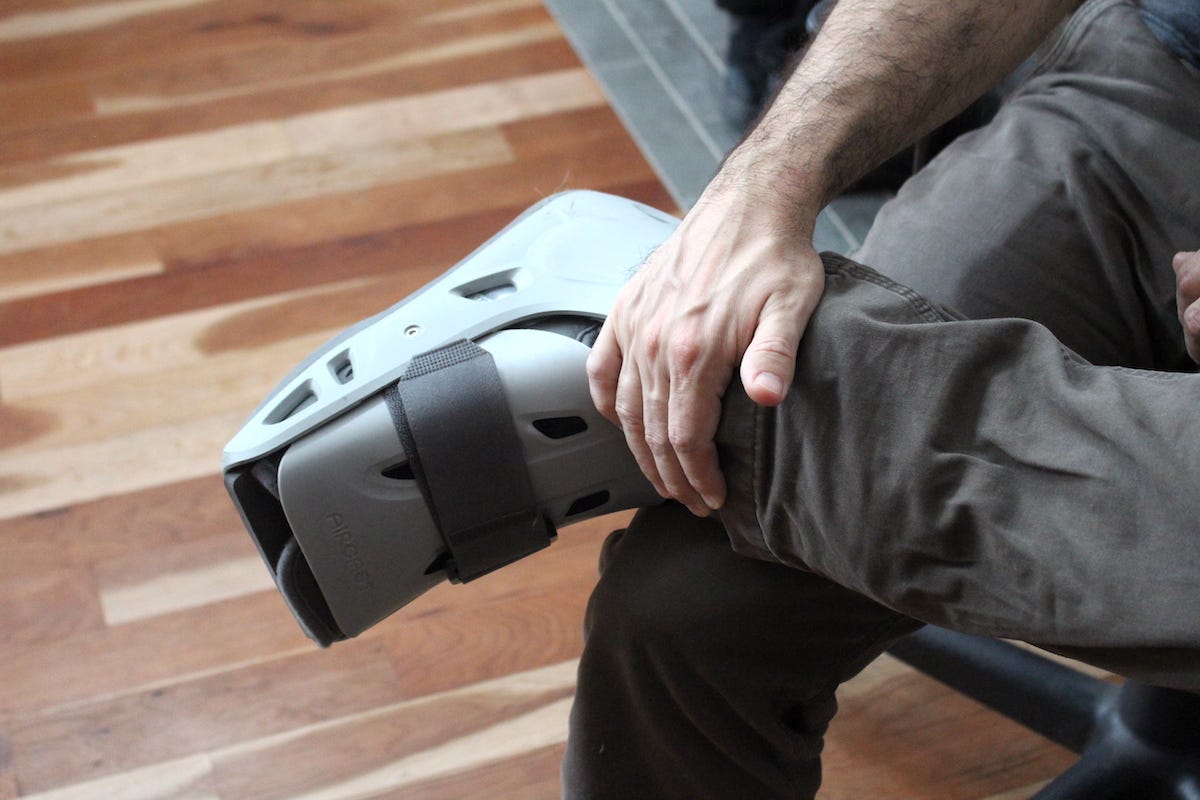
In this case, my husband took the fall, literally.
He came in hobbling, and slipped his boot off with care.
“I just need a minute,” he said. “It’s just bruised, I’ll be fine.”
One look, and I told him to get in the car. What I didn’t say was, “Sorry honey, your foot isn’t supposed to be shaped like that.” But I was thinking it.
Years ago, a friend who worked in urgent care told me that most injuries people come in with aren’t really much, and they get sent home without treatment. That is, unless it’s a man walking through the door, saying, “My wife made me come in.”
He told me as soon as he hears that, they bring the man back first thing. There’s no surer sign of something that is, in fact, a big deal than a man trying to tough out something his wife insists needs treatment.
That was years ago, long before I was married, and I laughed and tucked that little nugget away in my memory.
I’ve never taken him to urgent care, he’s a toughie, and will work through most things. He was skeptical, but I convinced him, and as we got loaded into the car, he looks at me and says, “I’m going to tell them you made me come in.”
I turned my head to the window, so he wouldn’t see my smirk, and it was all I could do to not chuckle, but I said, “Ok sweetie, you do that.”
And so he did, and wouldn’t you know it, he was in that X-ray machine less than 4 minutes after limping through the door. Like magic…
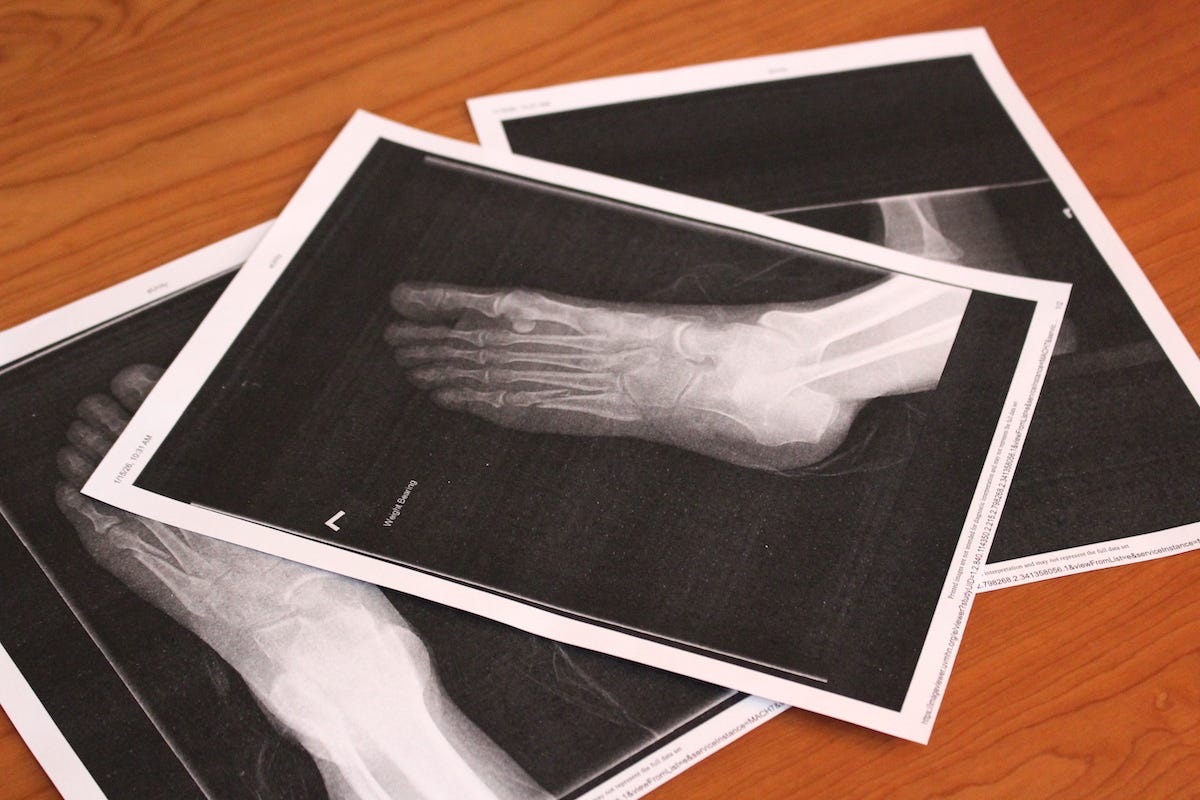
As we left, cast on and crutches in place, he turns to me and with a smile, “You were right….but did you have to be right?”
And he was joking, of course.
But he went on. “I’m going to need you to hit me with everything you’ve got. Salves, teas, whatever magic you’ve got up your sleeve. I need it. How am I supposed to stay off this for 8 weeks!?!?”
There is, unfortunately, no magic pill for healing broken bones. Medicine, no matter the source, hasn’t cracked that one yet. But people have come up with many ways to support the body as it heals, and shorten the duration of the injury.
But people have been treating broken bones for a long time. Almost inconceivably long.
There’s an old saying that goes something like, “the first real sign of civilization isn’t a tool or a pot, but a healed femur, because healing meant someone stayed, helped, and fed an injured person long enough to recover.”
That was 50,000 to 70,000 years ago. A long, long time of people comforting the injured, and ministering to them with teas, poultices and salves. For love, of course, but also because carrying the weight of someone in a subsistence community is hard work.
That’s one less hunter, and one less person gathering firewood. But still a mouth to feed. Everyone’s incentivized to shorten the duration, in any way possible.
And, as they say, necessity is the mother of innovation.
So how do you support bone healing with herbal medicine and nutrition?
Herbs for Bone Repair
Food is the foundation, but herbs are where I start feeling like I’m actually doing something while we wait for the calendar to do its slow work. Mostly, I’m aiming for three things: calming inflammation, supporting circulation to the area, and helping the surrounding tissues (ligaments, tendons, muscle, skin) stay happy while everything knits back together.
This is not meant to take the place of Western Medicine, and you should always see a doctor first. They need to evaluate the break, set it and make sure surgery isn’t required. I’m not saying skip the doctor and drink tea. What I’m saying is, once you’re stable, in a cast, and waiting for your body to do the work…you can support that work.
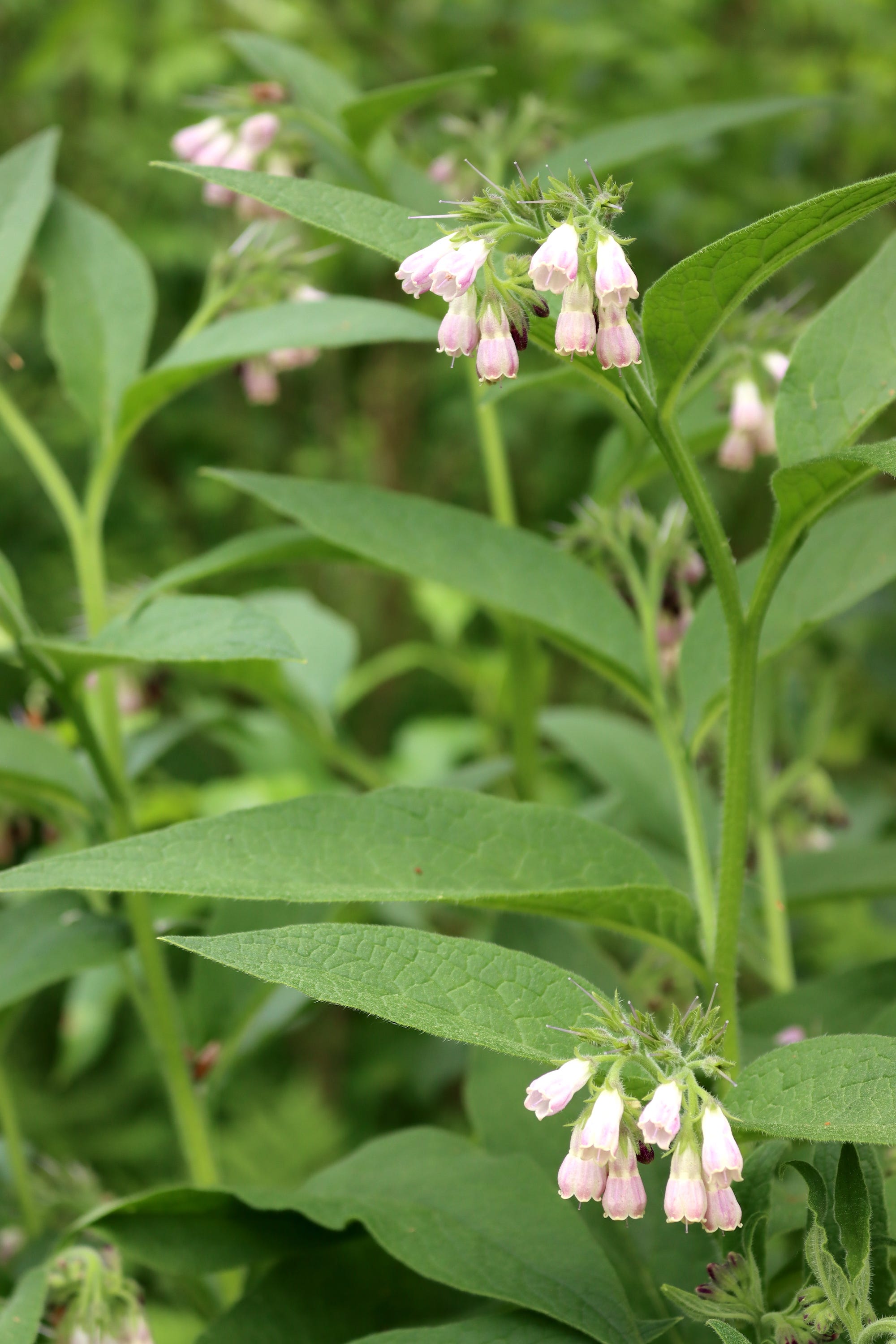
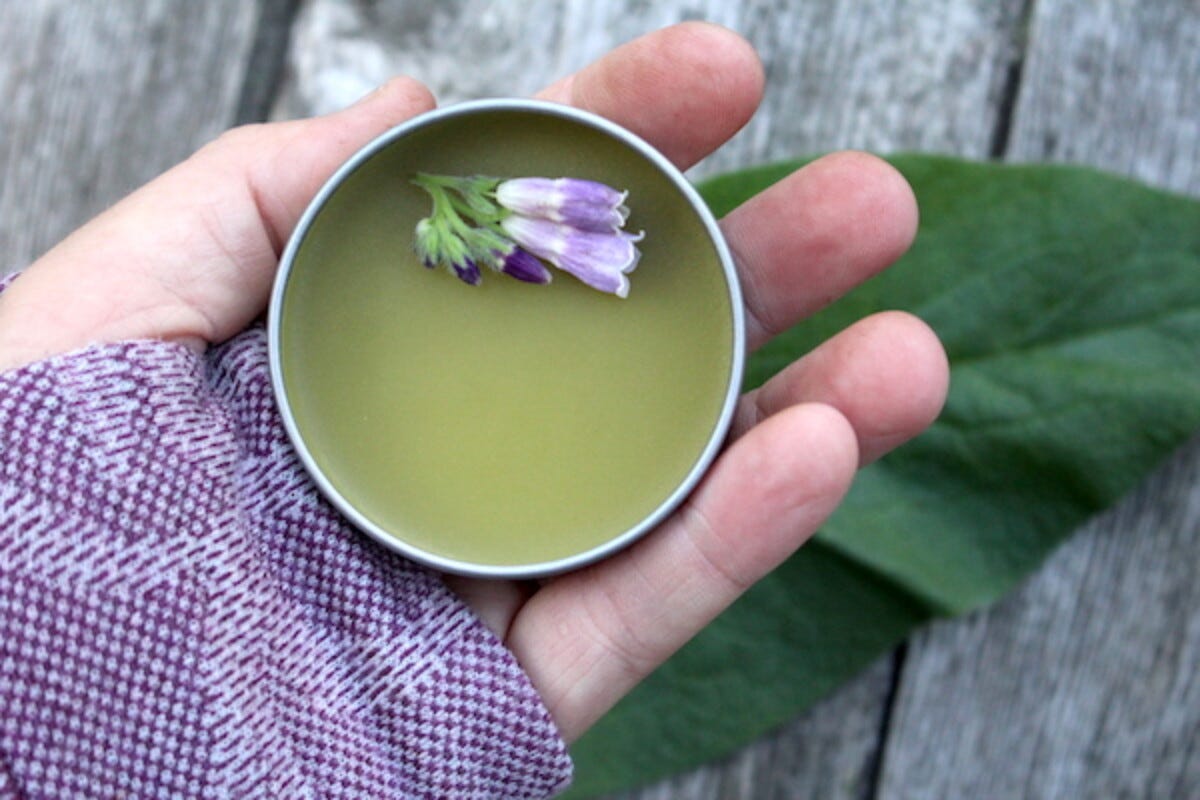
Comfrey
Comfrey is the best known herb for mending bone breaks, and it even has the common folk name of “knitbone,” which tells you exactly what people have expected from it for a very long time.
Historically, monastery gardens maintained old medicinal strains that were high in healing compounds, and low in toxins. Those, sadly, have been lost, and the modern cultivars have liver toxins more often than not.
Comfrey can be used safely when applied topically, rather than taken internally, and it is effective, even by the standards of modern medicine. Modern placebo-controlled clinical trials using comfrey root extract ointments have shown meaningful improvements in pain, swelling, and function for acute sprains and blunt injuries. That’s not the same thing as “it heals a fracture faster,” but if you’ve ever tried to sleep with an angry, swollen injury, you already know why I care about the pain-and-swelling part.
Keep comfrey topical. Keep it on intact skin. Keep it time-limited during the actual bone mending (no more than 6 to 8 weeks).
How I use it:
Comfrey salve or oil rubbed gently around the injury (not on open skin), once or twice a day.
Comfrey poultice (fresh leaf mashed or dried leaf rehydrated) on intact skin around the area, covered with cloth, for an hour or two.
I treat it like a support the tissues herb. It’s for comfort, swelling, and the soft-tissue drama that comes along for the ride.
St. John’s Wort
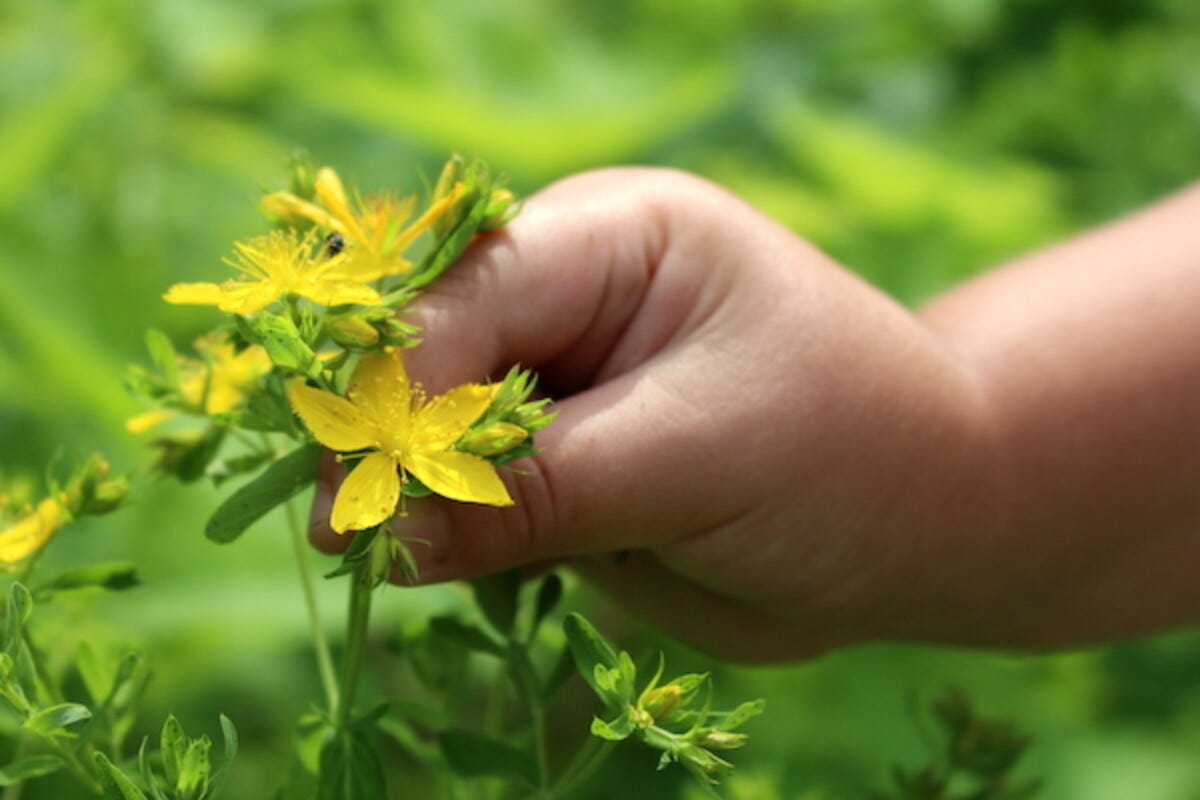
St. John’s wort is famous for mood these days, but it gets its name from St. John, who used it for battlefield medicine. It’s well known for it’s wound healing properties, and it’s the main component of my burn salve, but it also works deeper.
Herbalists have long used it for nerve pain (like sciatica), but also for nerve growth and regeneration after major injuries. Modern peer reviewed studies show that it can calm nerve pain as well, so it’s not just folklore.
How I use it:
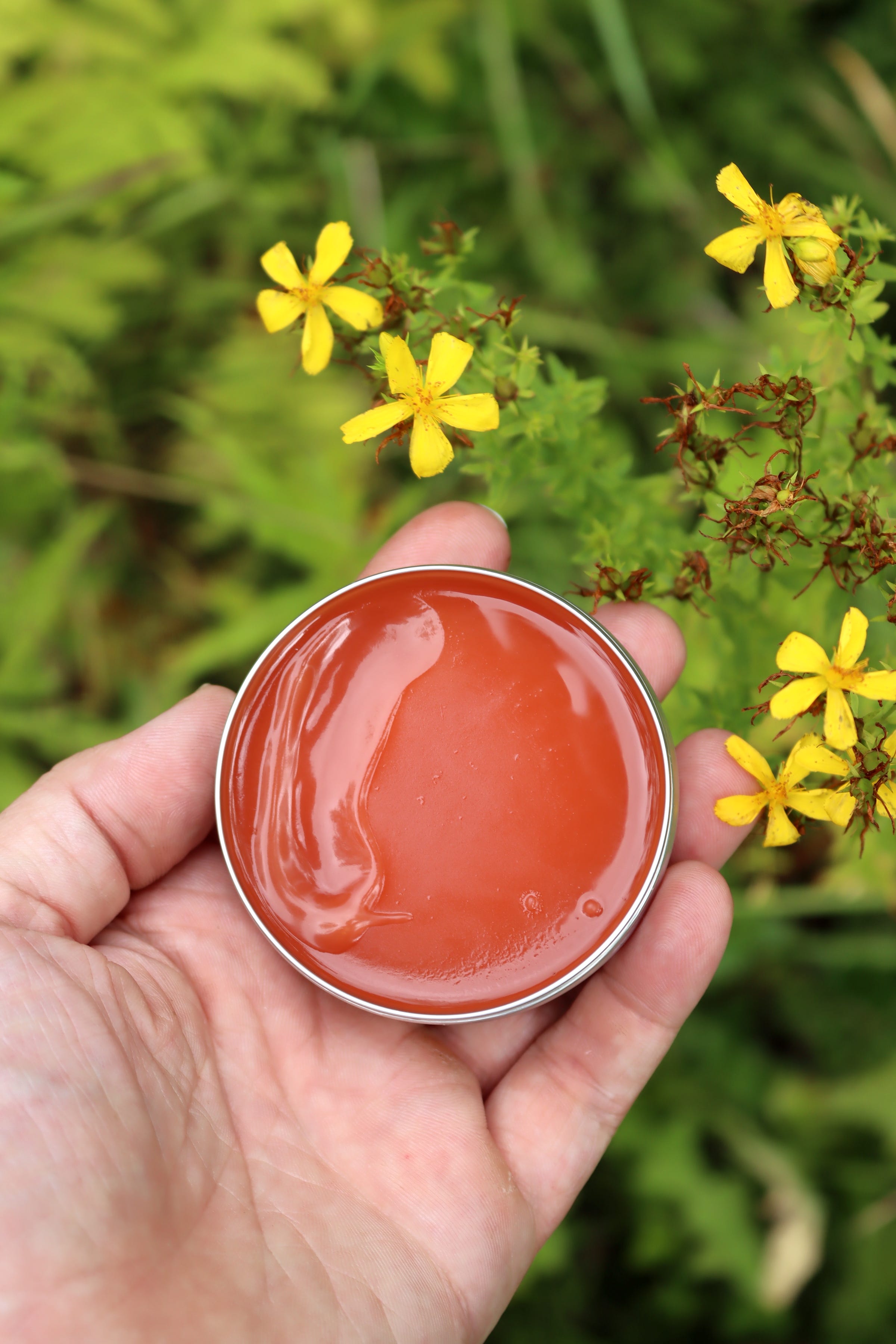
St. John’s wort infused oil (the classic red oil) rubbed gently into intact skin around the injury.
St. John’s Wort Salve made from the infused oil if we need something less messy.
Remineralizing herbs
Remineralizing herbs aren’t dramatic or short term fixes, they’re steady, nourishing, and easy to keep up for weeks. They’re exactly the type of warm herbal teas that comfort and nourish in the winter months anyway, and in this case, they’re working double duty.
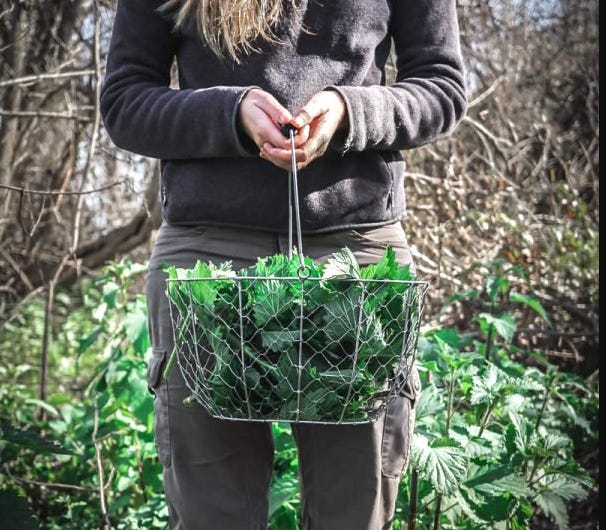
Stinging nettle
Nettle is one of the best “food-herbs” in the whole materia medica. Analyses of nettle leaf (especially when dried as powder) show meaningful mineral content, including calcium, potassium, magnesium, iron, and trace minerals.
But stinging nettle is also one of those herbs that you either love like a long lost friend, or hate with the fire of a thousand suns. I, personally, hate it. I react viciously to stinging nettle, and I’d rather be stung by 4 wasps (maybe not quite 5) than simply brush by a single leaf.
As a tea, I think it smells like a chicken coop, and tastes much worse. I actually scraped my tongue off with a butter knife after I tried it years ago.
But…other people love it, and sipping it tastes like deep nourishment. (They don’t get any ode’ de chicken coop, only a fresh grassy field.)
People love it more often than hate it, so I picked some up and I learned that my husband and children all love it. Good for them. Actually, literally, spectacular for them, and their bones.
How I use it:
Strong nettle infusion (think: a big jar, a big handful of dried leaf, steeped for hours) a few times a week.
Nettle as food: soups, broths, pesto, anywhere leafy greens make sense. (That is, of course, if you’re one of the people that likes the taste.)
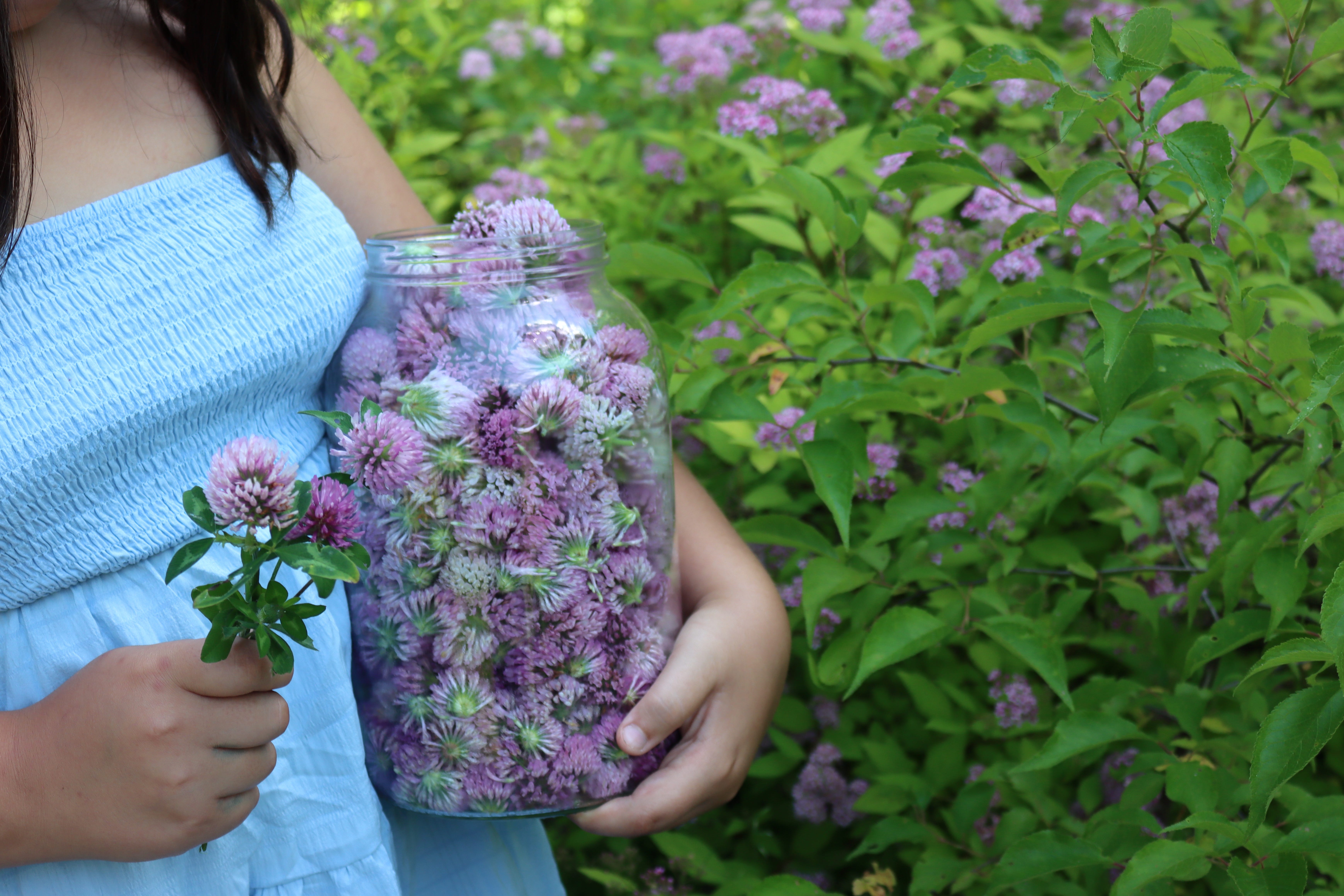
Red clover
Red clover sits in the same mineral-rich, gentle, long-game category. That’s helpful for some people and a reason for caution for others. It’s generally considered safe, but it does contain some plant based estrogen compounds, so if someone has a hormone-sensitive condition, this is not a casual “drink it daily forever” herb.
Women often drink it to support their childbearing years and menopause, and it can work double duty for women with bone issues and osteoporosis.
For a man or child, it’s not a the best daily herb, but fine for short term acute use.
How I use it:
Tea in rotation with nettle, especially when the goal is steady, nourishing support rather than take this for a symptom.
Horsetail
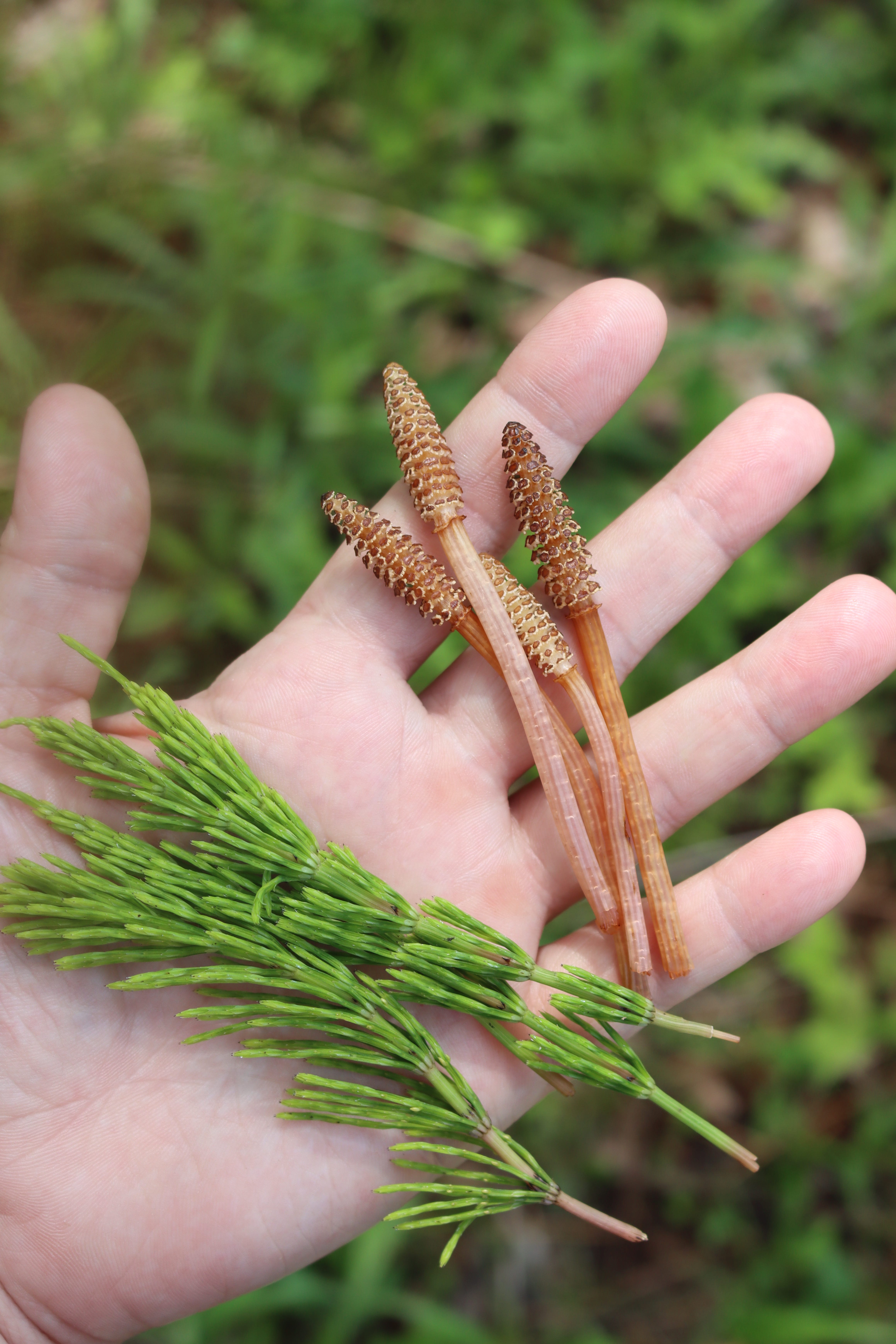
Horsetail gets talked about constantly for silica. There’s interesting early research around bone metabolism, and it’s been used traditionally for connective tissue support.
When I worked as a massage therapist in a sports medicine clinic, I used it for my sore hands and wrists, and it works wonders. I also suggested it for strains and sprains, where joints can use a little love.
How I use it:
Tea or tincture, but for short term acute use as the long term impacts aren’t well documented.
What not to use (and why)
Boneset is the perfect example of an herb being sabotaged by its own name.
Despite what it sounds like, boneset is historically used for fevers, flu-ish illnesses, and the deep body aches that come with them. That’s where the name comes from: “it sets the bones” as in easing the misery of fever aches, not repairing fractures.
It was used to treat Dengue Fever (also known as bone break fever), where the fever pains are so intense it feels like your bones are breaking. But it’s not treating your bones, it’s treating the fever.
It is effective against acute fevers, but it also has a bunch of other long term health consequences that I won’t go into. Despite the name, it’s not for bones, and it’s not safe except in very short term acute uses (2-3 days for extreme fever).
Nutrition for Bone Repair
I know, I’m here to write about herbal medicine, but food is medicine, first and foremost.
The first thing I did when we got home wasn’t dig out a rare herb or a mysterious tincture. It was open the fridge and start thinking like a practical person with a very inconvenient problem: the body is going to rebuild a whole chunk of structure, and it needs raw materials.
Bone healing isn’t just “bone,” either. There’s connective tissue involved, blood vessels involved, immune signaling involved, and a whole cascade of repair work that’s incredibly nutrient-dependent. When people are undernourished or protein-deficient, fracture healing complications are more common.
When we talk about “healing,” we’re really talking about building new tissue, and building requires amino acids.
So yes, I’ve been feeding him a lot of meat. Not dainty little boneless skinless anything, either. The good stuff.
Shank. Neck. Short ribs. Oxtail. And, because I apparently cope through irony, pig’s feet.
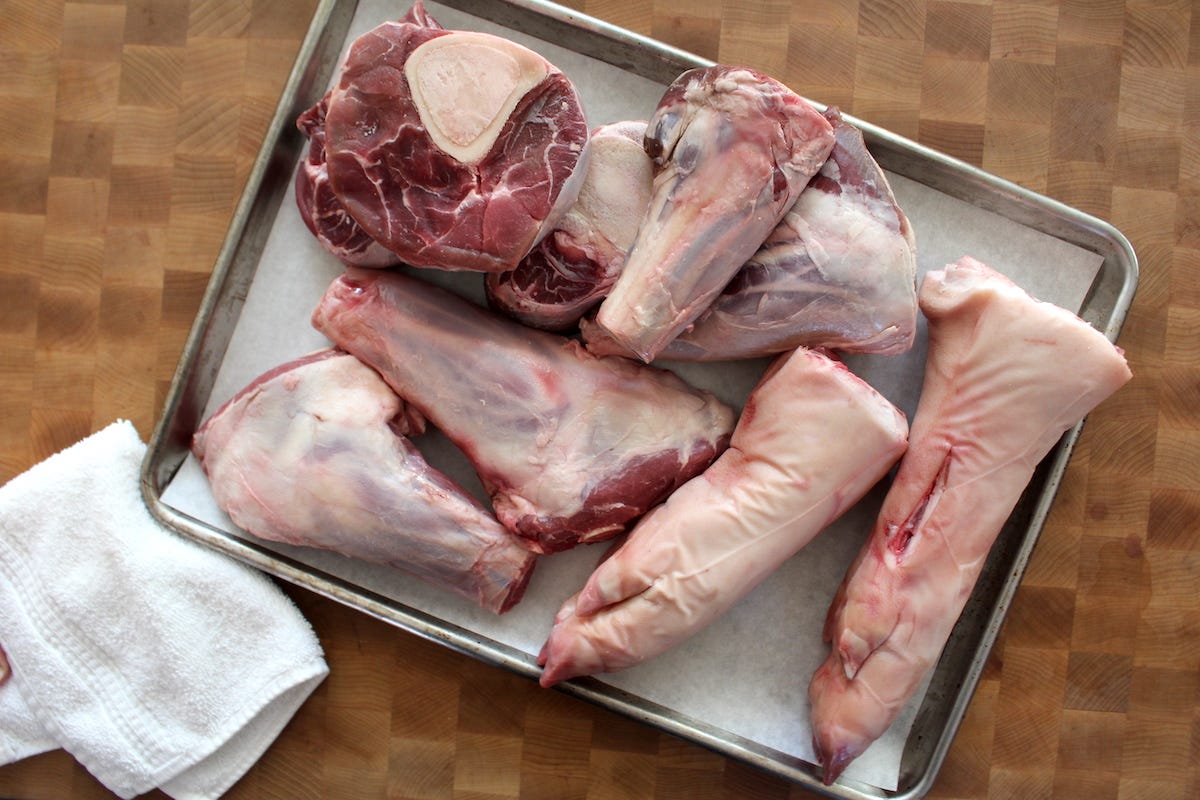
It’s hard not to notice the comedy in breaking a foot and then eating feet for dinner. But if you’ve ever made a pot of broth that turns into meat Jell-O in the fridge, you know exactly why I’m doing it. Those long, slow-cooking cuts are rich in gelatin (collagen’s cozy kitchen form), and they come with a profile of amino acids that the body uses heavily in connective tissue.
And there’s a second, unexpected benefit: those same “brothy” amino acids can be calming and mood boosting. Glycine, in particular, has human research behind it for improving sleep quality and reducing the symptoms of seasonal depression, and when someone’s in a cast and uncomfortable, sleep and a mind at ease becomes its own kind of medicine.
What this looks like in real life at my house:
Protein at every meal, even breakfast if I can swing it.
Big pots of soup and stew that make leftovers easy (because cooking every meal while someone’s on crutches is…a lot).
Broth-based meals on repeat, especially when appetite is low.
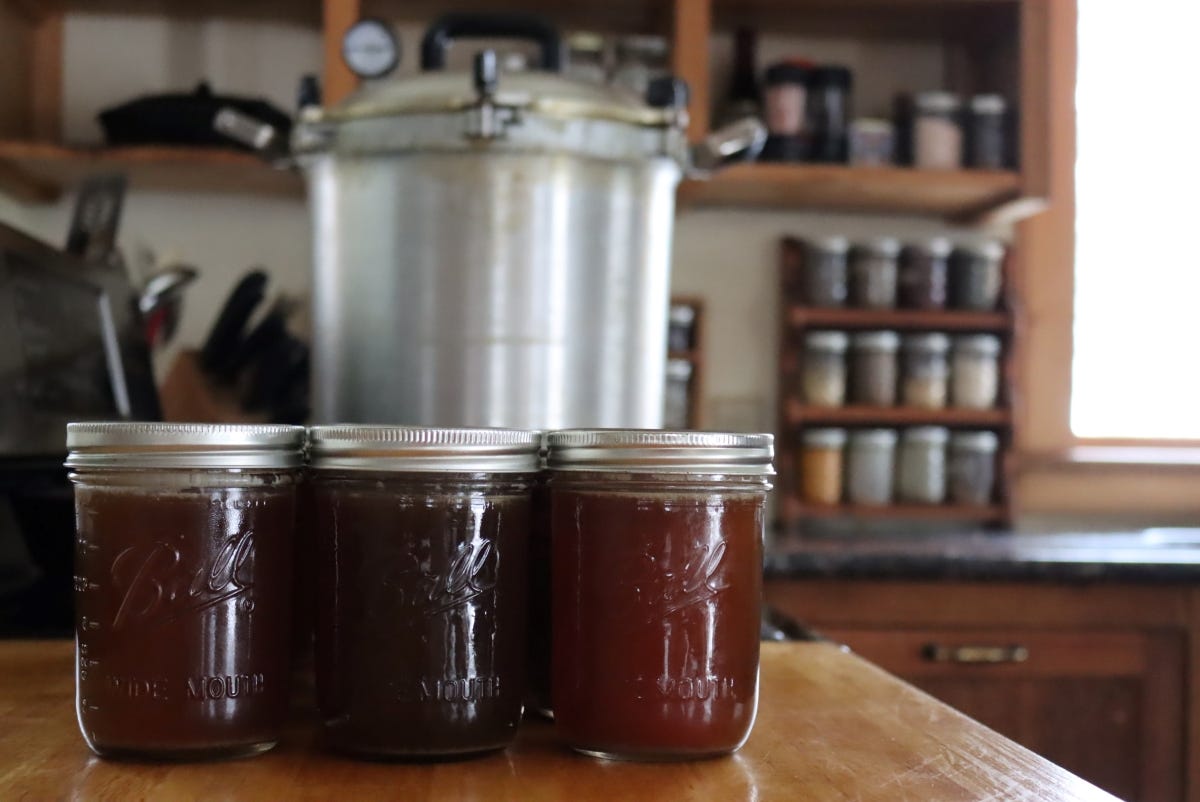
We’re running through my stockpile of pressure canned bone broth quickly, but that’s ok. Starting a new pot simmering on the stove is just one more good way to warm the house this time of year.
Beyond Protein and Collagen
Even if you’re eating plenty of protein, the body still needs specific micronutrients to actually assemble new tissue.
Bone-in canned fish (sardines/salmon with soft bones) for bone building calcium and zinc.
Eggs because they’re high in Vitamin D, which is essential for bone building and tricky to get in winter.
Broth, stew, and braises from connective-tissue cuts, because they’re the most efficient healing food I know how to make.
Nuts and seeds (especially pumpkin/sunflower/sesame) because trace minerals hide in there, and some specialty nuts like brazil nuts are high in hard to find minerals like selenium.
Citrus, peppers, and potatoes because vitamin C, potassium and magnesium are important too.
I’m not pretending any of this is a magic lever that turns eight weeks into two. But if the body is going to rebuild itself, I want it to have every screw, board, and tool on site when it’s ready to work.
Final Thoughts
So, here I am, hitting him with everything I’ve got. We’ve a few weeks in, and he’s doing much better. Is it the herbs? Is it the deeply nourishing food? Who can say.
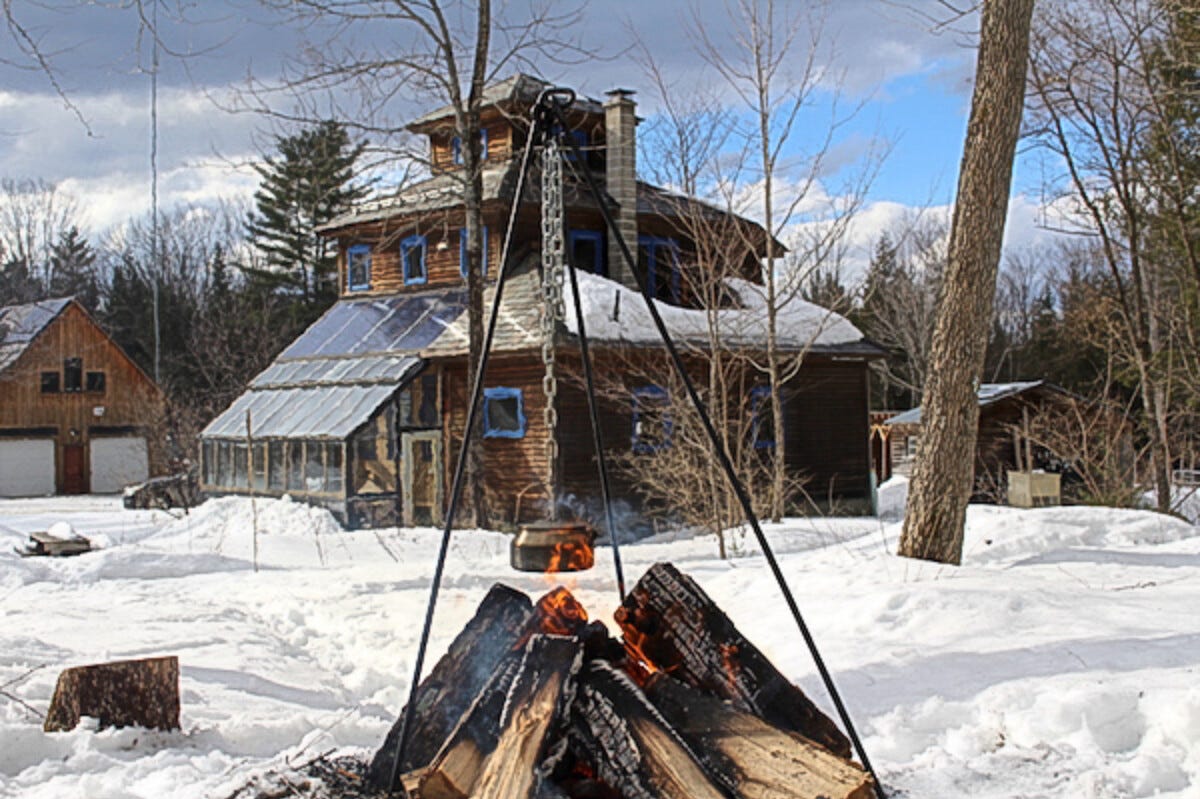
What I know is that I’ve been hauling wood to keep our off grid homestead heated in this extreme cold snap, and keeping the home fires burning is hard work on your own. As is keeping animals fed, watered and tended when the wind chill hits -40. I’m looking forward to when he’s back up and mobile, as much as he is.
In the meantime, I’m rubbing St. John’s Wort salve on my own aching back, and counting my blessings that I have two very helpful and handy little ones here to share the load.
Until Next Time,
Ashley at Practical Self Reliance
I have used Dr. Hartly's bonestitch tea for 3 of my broken bones and 2 sprains over the last 5 years. It has horsetail, neetle, pepperment and comfrey in it. I've given to others who break bones BUT do not start taking until a doctor assures the bones are aligned properly. AND when I took an herbal class the instructor told us comfrey should never be used more than 6 weeks during a 12 month period. So, my docs were all amazed by my rapid bone healing (I'm old 70+, but do eat well).
Side note -- had a bone density scan after most recent break and bones are fine (I broke 5 bones between ages 5-17) seems to be a balance problem - got physical thearpy for balance and keep doing the exercises and Thai Chi was added.
Ashley, did you know that a cat’s purr is the same frequency as electronic bone stimulators? Google can fill you in, there have been studies. So if you have a cat, have it sit on his foot. If nothing else, it will keep it warm.