
October Homestead To-Do List | Practical Self Reliance
Late Harvests and Tucking In For the Season

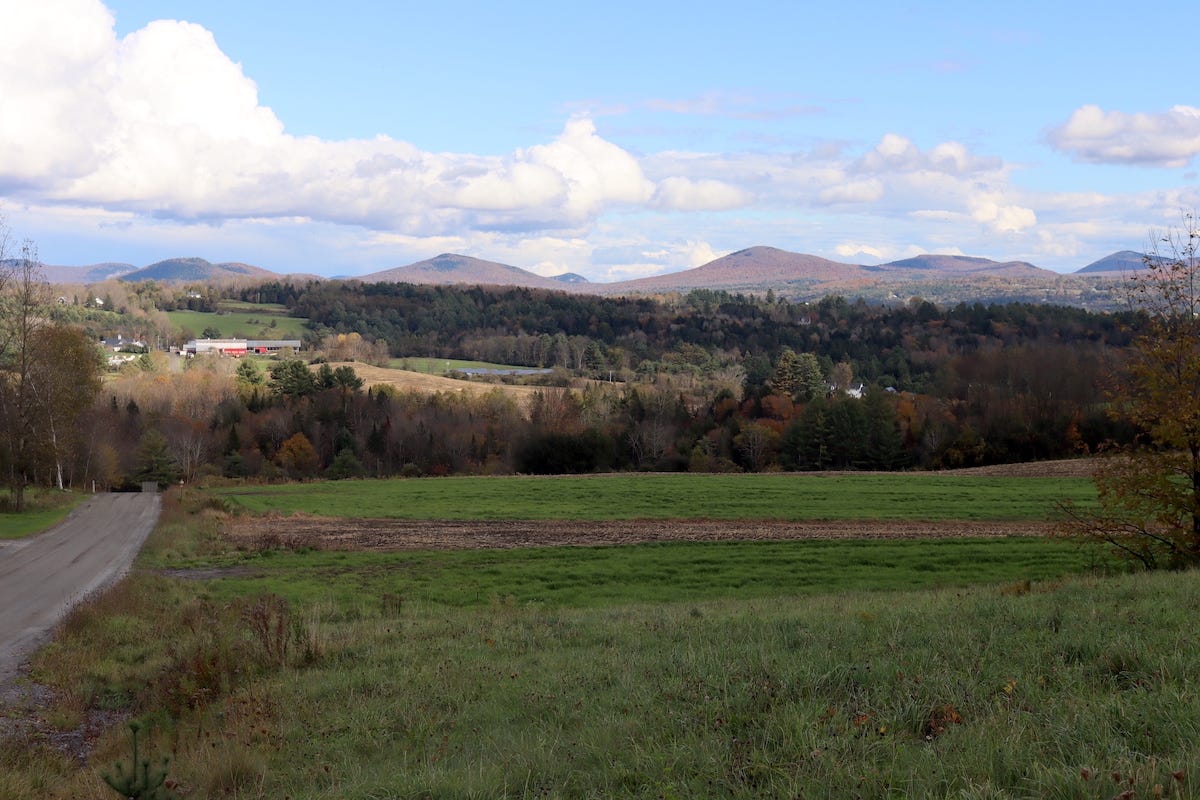
October is when autumn really settles in here in Vermont. The trees shift from hints of gold and red to full fiery color, and the air has that crisp edge that makes you want to reach for a sweater.
Mornings are often frosty, and we’ll sometimes wake up to a thin glaze of ice on the stock tanks. Highs are usually in the 50s or low 60s early in the month, but by the end we’re often looking at freezing nights and highs in the 40s.
It’s a month of transition—the gardens are mostly winding down, the orchards are heavy with fruit, and the barns and sheds are filling with firewood and animal feed. Preservation is still in full swing, but there’s a shift toward root cellaring, fermenting, and canning meat for the deep winter ahead.
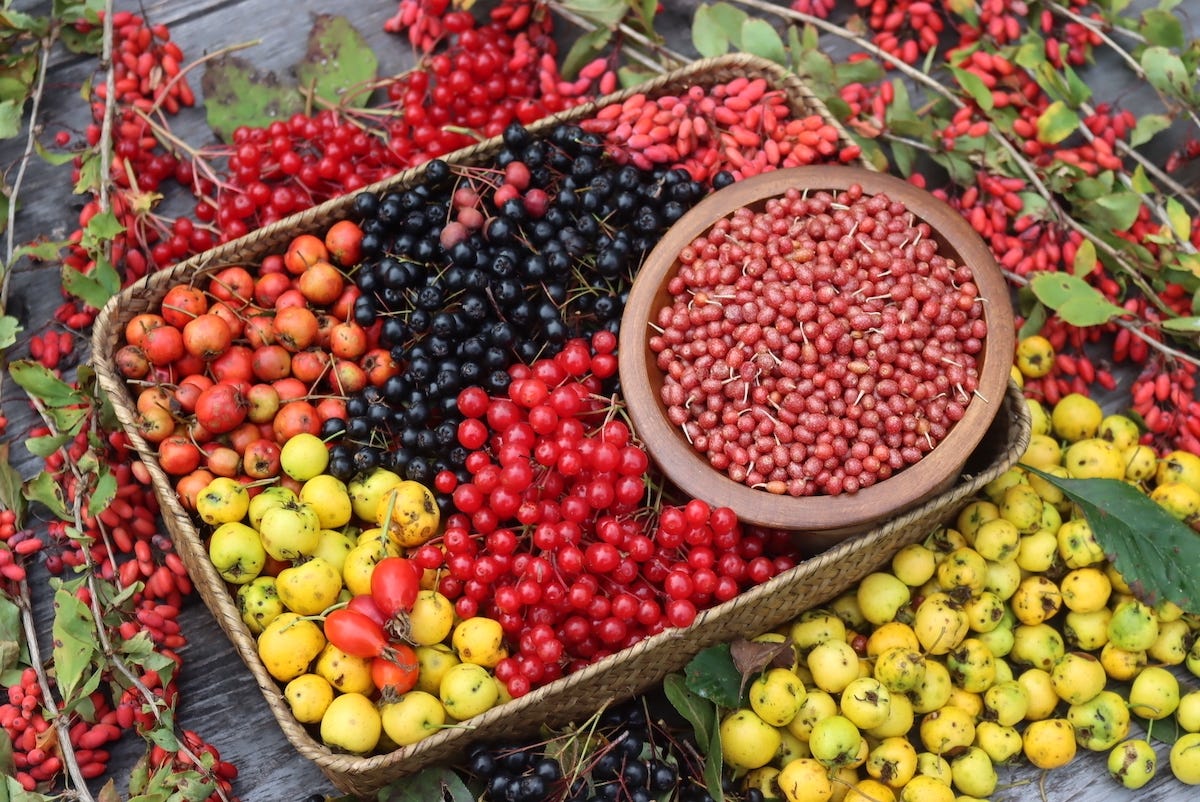
And, of course, harvesting the last of those wild edible berries out there in the woods and fields.
I often get asked what a “typical” month looks like on the homestead, especially from people who are still in the dreaming and planning stages. A month-by-month picture helps make the whole process feel more real, even if the exact details will vary depending on your region and setup.
Of course, every homestead is different—what grows in Vermont in October may not be ready yet in the South, and some places won’t see frost for weeks after we do. Still, there are common themes, and October here usually means finishing the big harvests, storing food for winter, and settling animals and infrastructure into their cold-weather routines.
This is what a normal October looks like on our Vermont homestead, and it gives a good sense of the seasonal work that happens as autumn turns toward winter.
In the Garden
By October, the garden is nearly finished. We’ll bring in the bulk of the potato harvest, winter squash, and beets and tuck them into our basement turned root cellar for long-term storage. We grow potatoes in raised beds to keep them out of our heavy wet clay soils, and we’ll pull 50 to 60 pounds from a single 4x8 raised bed most years.
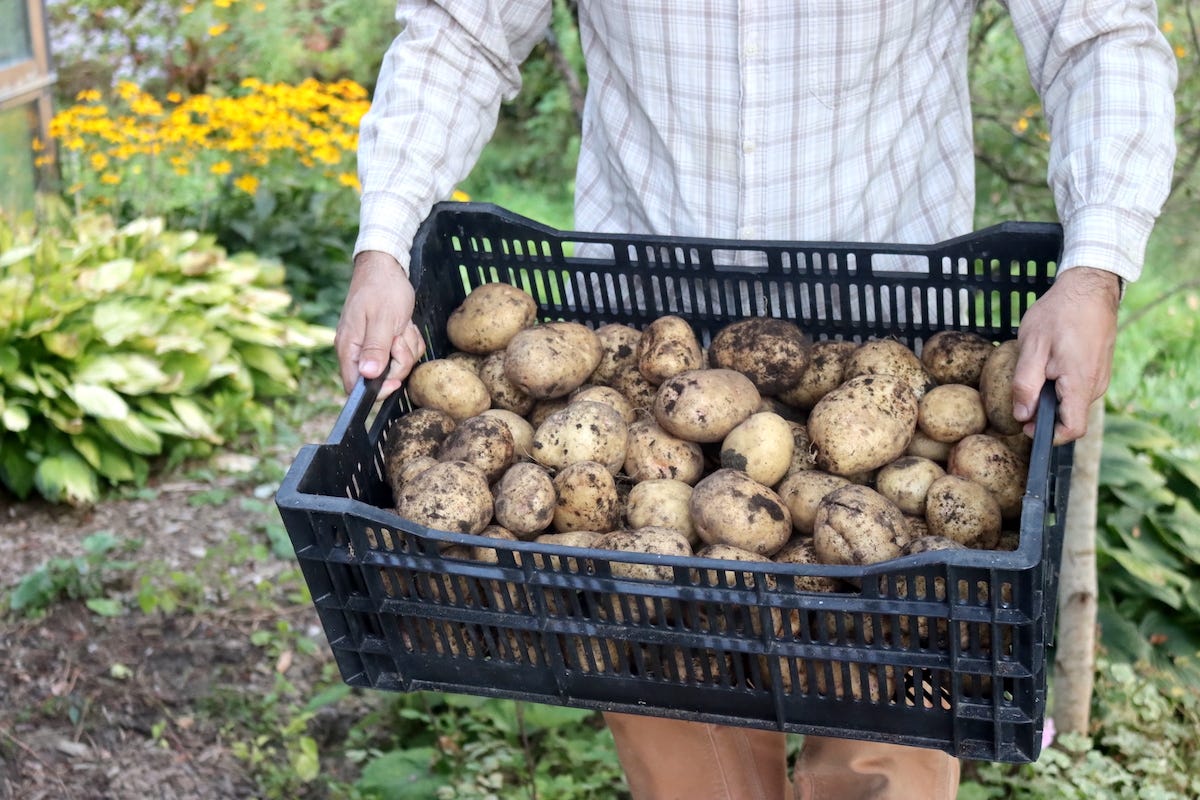
Carrots, cabbage, beets and Brussels sprouts will hold in the ground well into November since they’re incredibly cold hardy vegetables, but we’ll start pulling them gradually now for everyday meals.
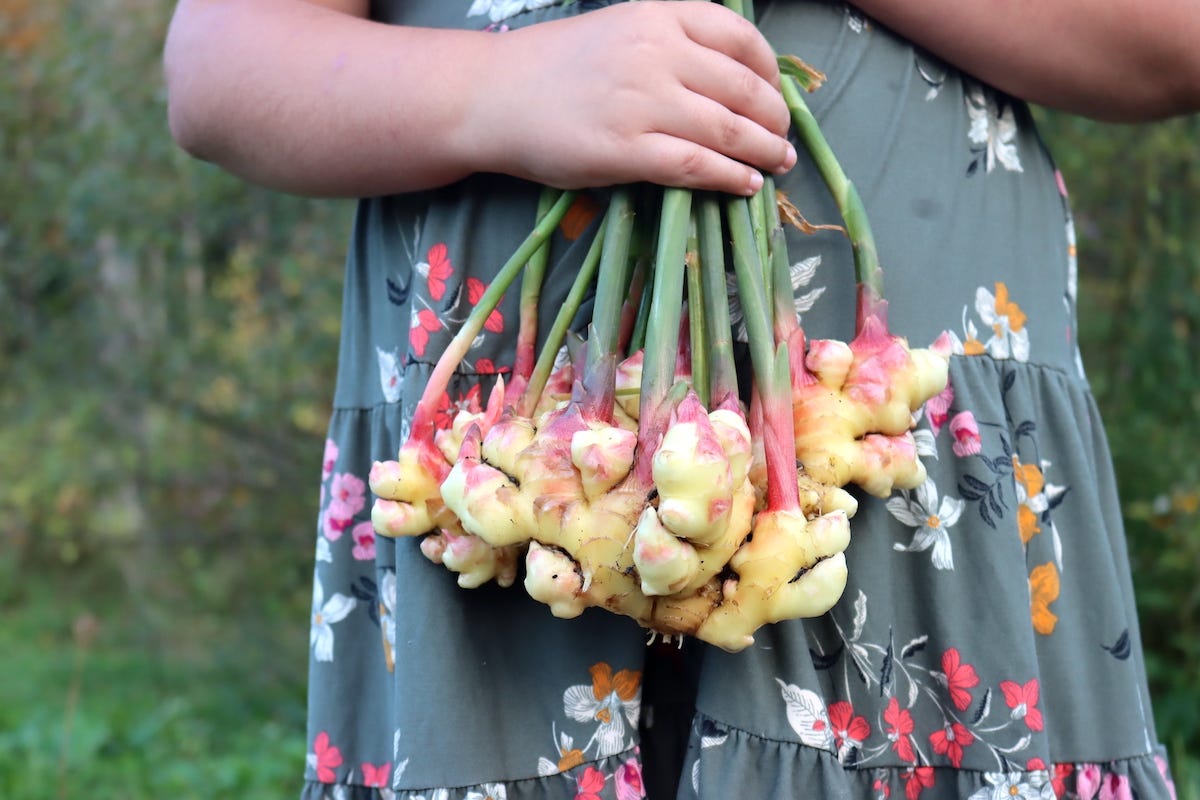
We’re also harvesting some of our more unusual crops, like homegrown ginger and fresh turmeric.
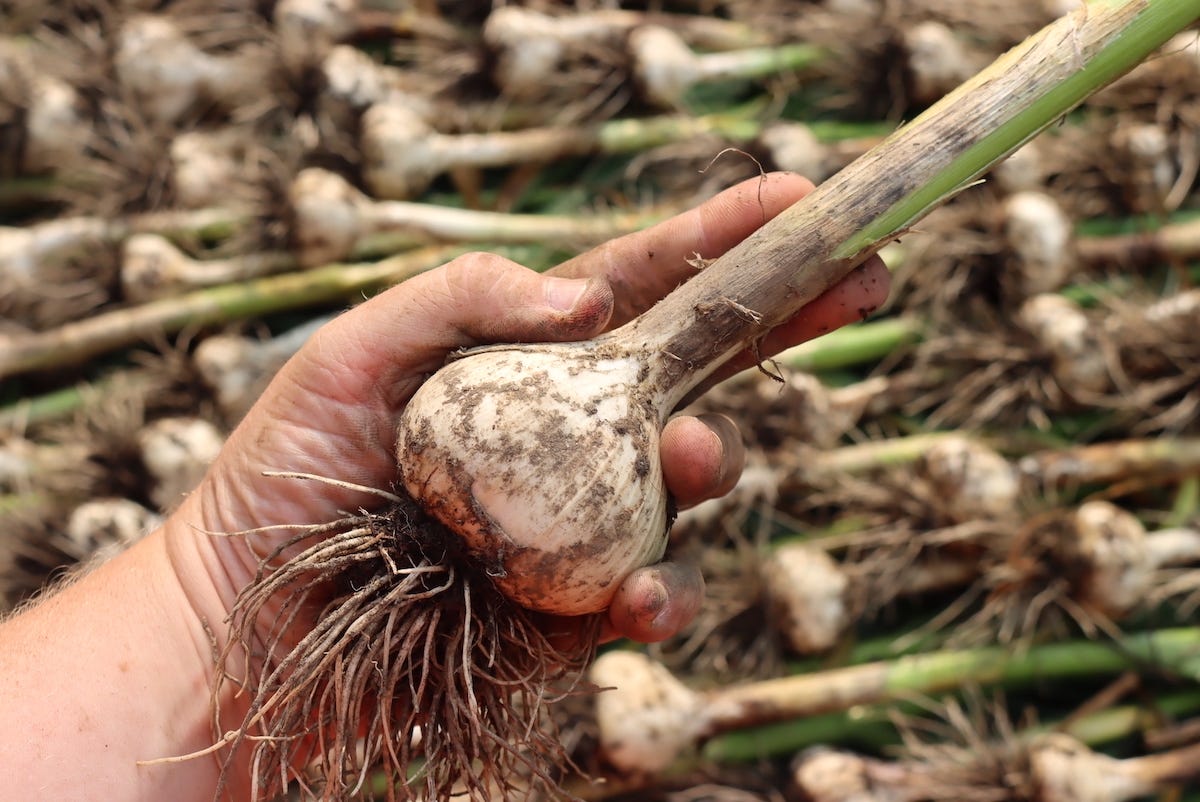
We’ll also clean up spent beds, spread compost, and plant garlic for next year. I like to mulch it thickly so it stays protected under the snow all winter, and the mulch keeps them insulated even though we grow our garlic in raised beds for improved drainage.
The extra compost in those beds helps too, and we’ll pull out huge crops of monster northern hardneck garlic with little effort beyond planting them in the Autumn months.
In the Orchard
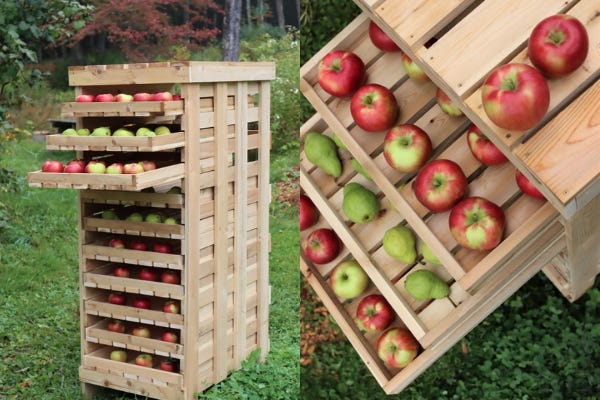
October is peak apple season here, and the varieties come in waves—early ones are already gone, but mid- and late-season heirloom apple varieties are still coming in by the bushel. Most of the late season crop is storage apples, and we have apple varieties that keep 14+ months in our basement in a simple homemade apple storage rack (and no refrigeration).
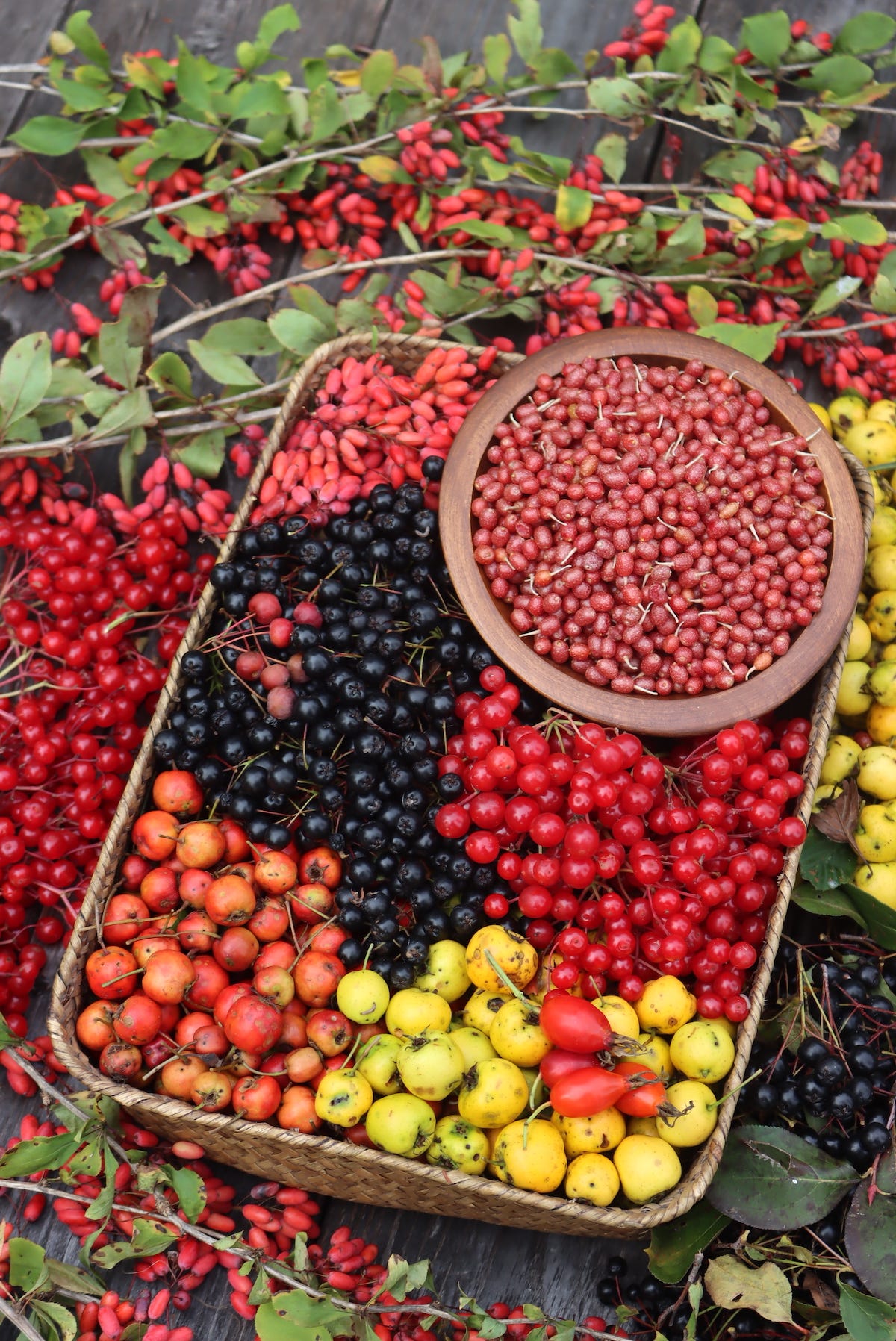
Pears are finishing up, and crabapples are ready now too. We’ll also harvest hardy kiwis, wild highbush cranberries as well as homegrown cranberries and Lingonberries, and some of our fun unique edibles like Cornelian Cherries, Seaberries and Rowanberries.
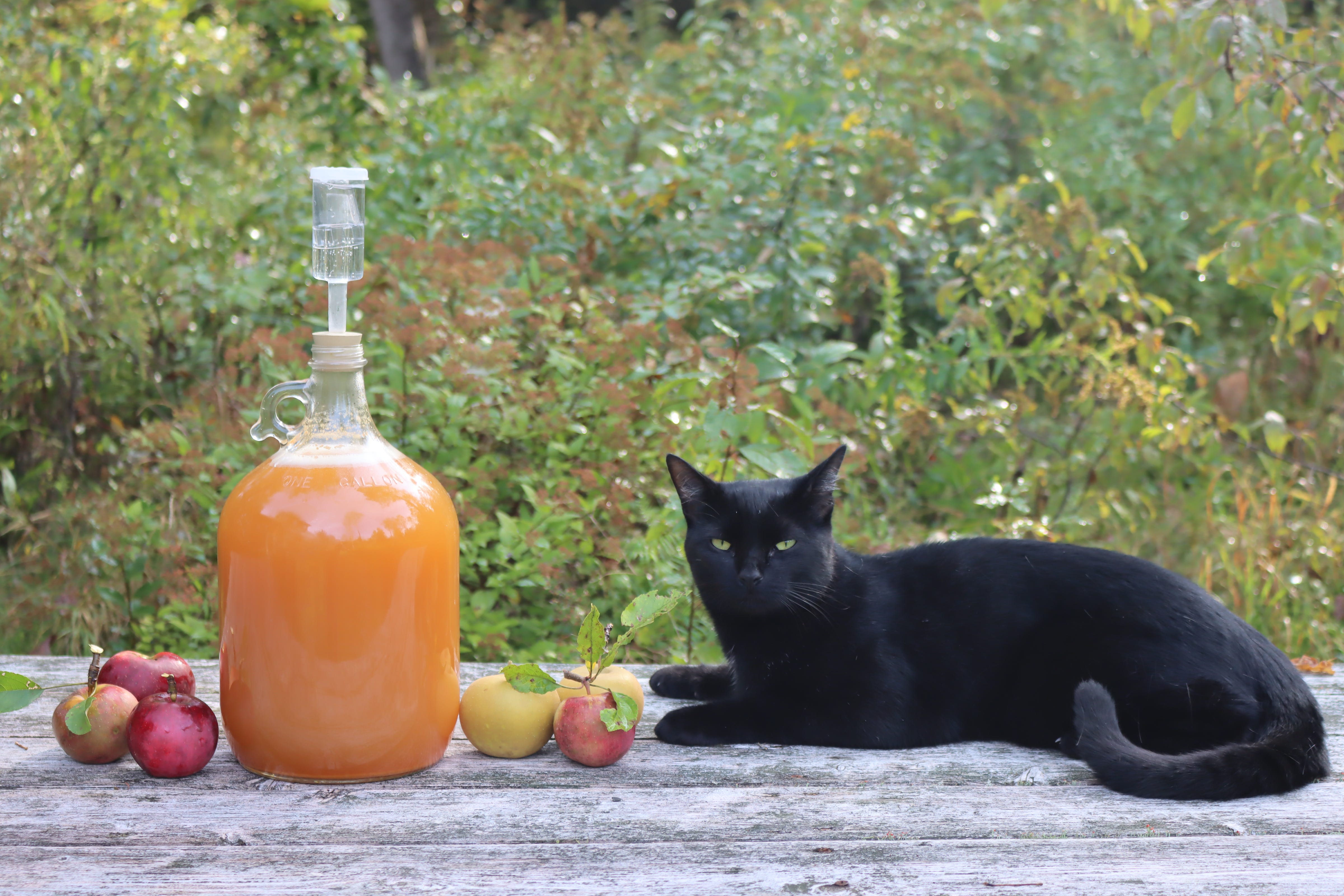
Much of October is about pressing apple cider for canning (and making into hard cider and apple wine, too), making apple cider vinegar, boiled cider syrup for pancakes, and filling the pantry shelves with apple butter, applesauce, and spiced apple jam. The scent of cinnamon and simmering apples fills the kitchen nearly every day.
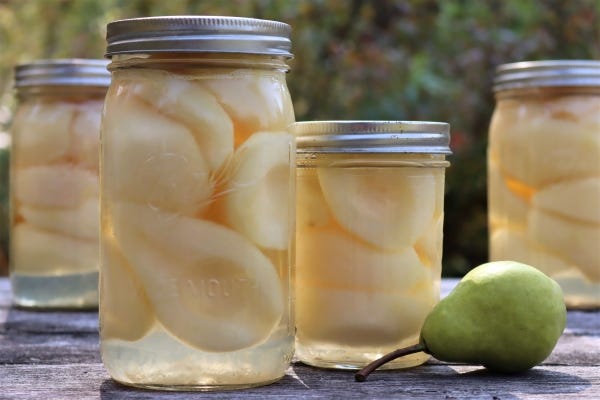
This year, I’m putting up a bumper crop of pears, and I’ll have half a dozen more pear canning recipes to share soon, in addition to my recipes for home canned pears, pear jam, pear butter and pear pie filling.
In the Kitchen
The kitchen is still buzzing, but it feels different from the September crush. Now it’s more about bulk storage and slower preservation methods. Potatoes, beets, carrots, and turnips get packed in bins, either dry and dark for potatoes, or in damp sand for carrots and beets. Apples and pears are put up whole in our basement storage racks, as I mentioned, but they’re also turned into preserves, wines and mead.
I’m particularly fond of pear wine and cyser (or apple mead).
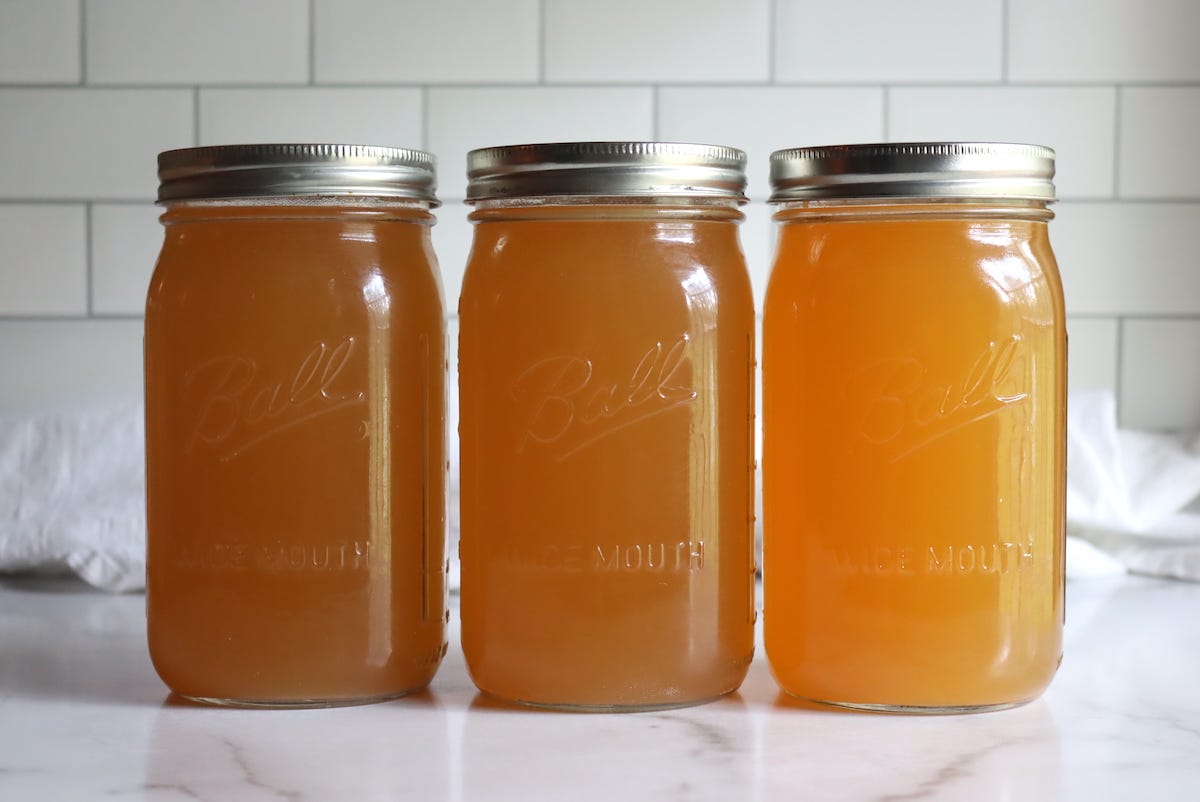
Meat canning and home butchery start in earnest once the temperatures drop. We’ll have stockpots of bone broth simmering for canning, and not just the standard chicken broth and beef broth, but also make pork broth for beans and winter stews (plus it makes unbelievable homemade ramen). The first batches of homemade charcuterie—pancetta, guanciale, and bacon—get hung to cure.
It’s a lot of work, but it’s the kind that feels like settling in for winter.
In the Woods and Fields
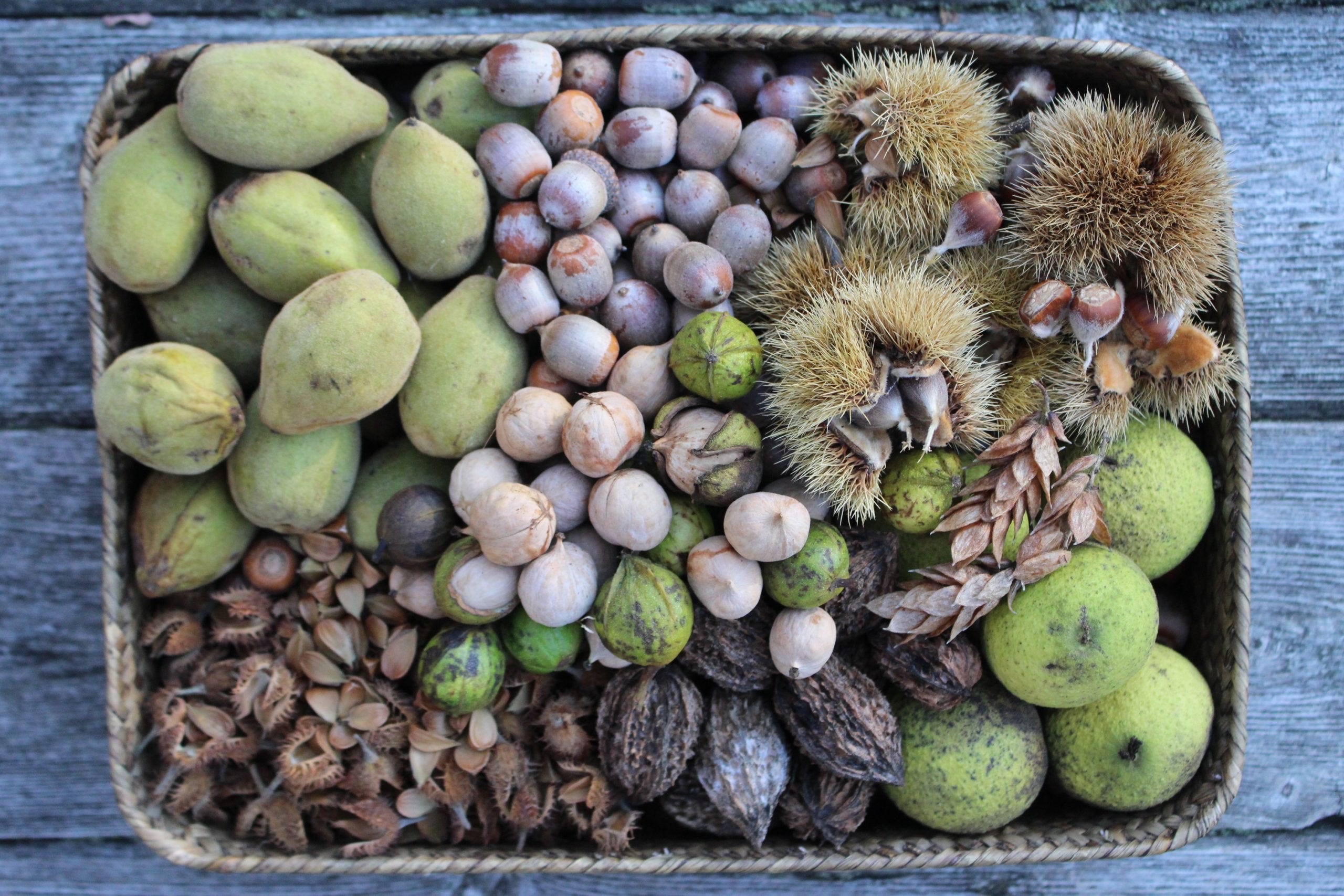
October is one of the best months for foraging. The nut harvest is in full swing with black walnuts, butternuts, chestnuts and hickory nuts. We’re also raking up acorns from oaks by the bucketload to make into acorn flour later this winter (and a few batches of acorn ice cream for the little ones).
Autumn olives, crabapples, and hawthorns are all ripe now, and will go into preserves and wine.
The mushroom season peaks in October, with hen of the woods, lion’s mane and shaggy mane mushrooms, and late-season pheasant back mushrooms all available if you know where to look. It’s a great month for filling baskets in the woods before the snow sets in.
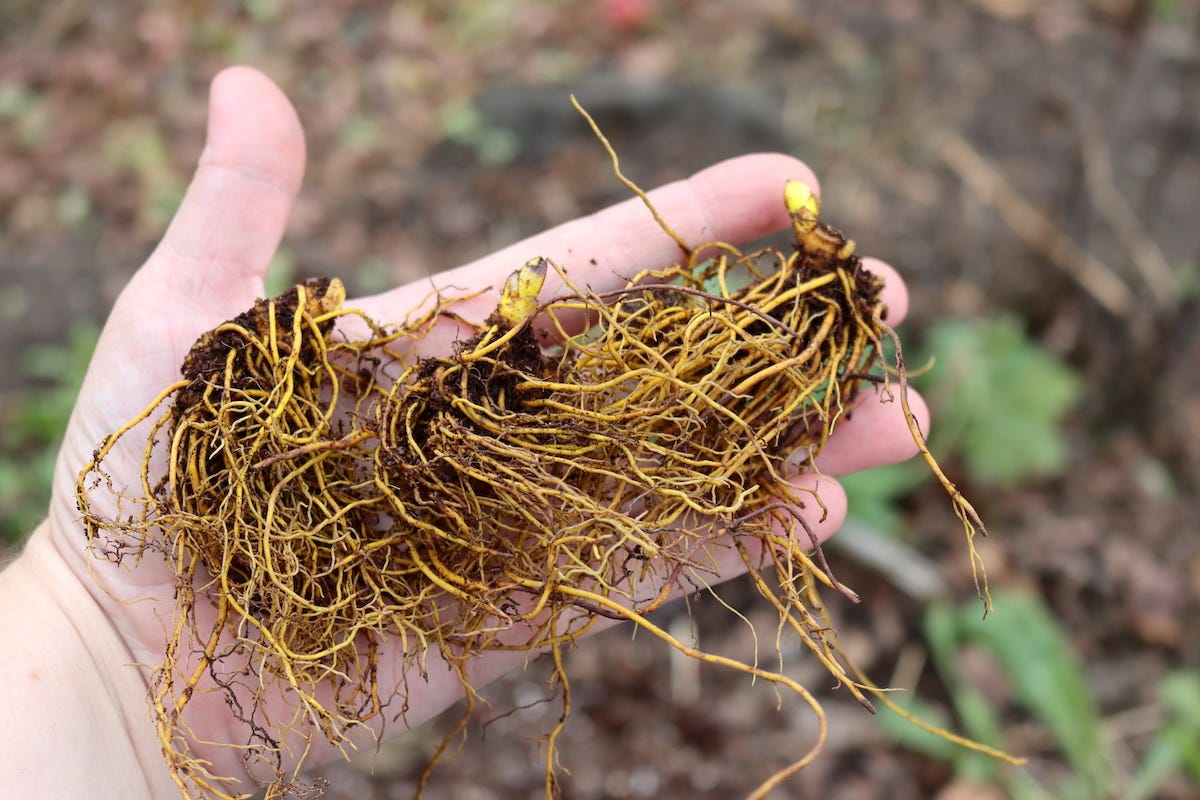
Beyond harvesting in the woods, we’re also planting woodland medicinals from bare root cuttings. Now’s a great time to plant things like goldenseal, wild ramp seeds and many others.
In the House
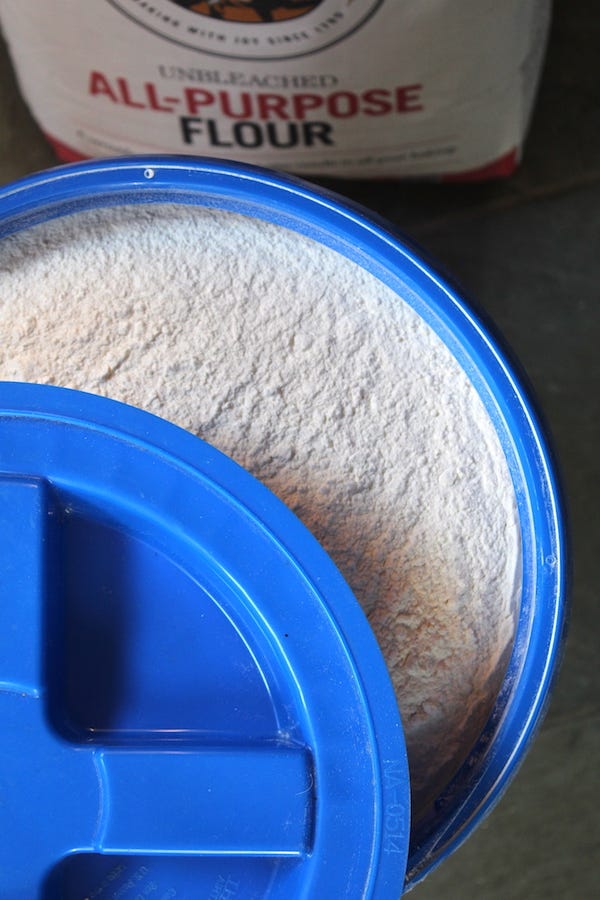
Heating season is well underway by October, and the boiler shed should be packed to the brim with firewood. We’ll also bring in the last bulk pantry staples, making sure the bins are topped off with beans, flour, rice, and oats for the winter.
This is when we switch gears indoors, too. The long nights mean more time for knitting, sewing, and reading by the woodstove, even if the days are still filled with chores. There’s comfort in knowing the shelves and bins are full and the house is ready for the cold.
In the Barn
October is when we make the hard decisions about livestock. The animals we aren’t keeping through the winter get processed for meat this month, while the rest are settled into their winter housing. It’s the right weather for butchering—cool enough to hang meat safely, and the flies are gone.
Hay, grain, and animal bedding are hauled into storage so we’re not scrambling later. Feed shortages often crop up in midwinter, so it pays to be well ahead. For us, that means filling galvanized cans with poultry feed and pig feed most years.
Our animal housing can’t quite hold a whole winter’s worth of feed, it just doesn’t have quite enough space, so we’ll have to keep things topped off as long as we can so that we won’t have to hand haul feed bags over deep snow mid-winter. If we stay on top of it, the bins will be bursting full as we get our first big storms of the year, and then they’ll be just enough to take us through to when snow packs are lighter.
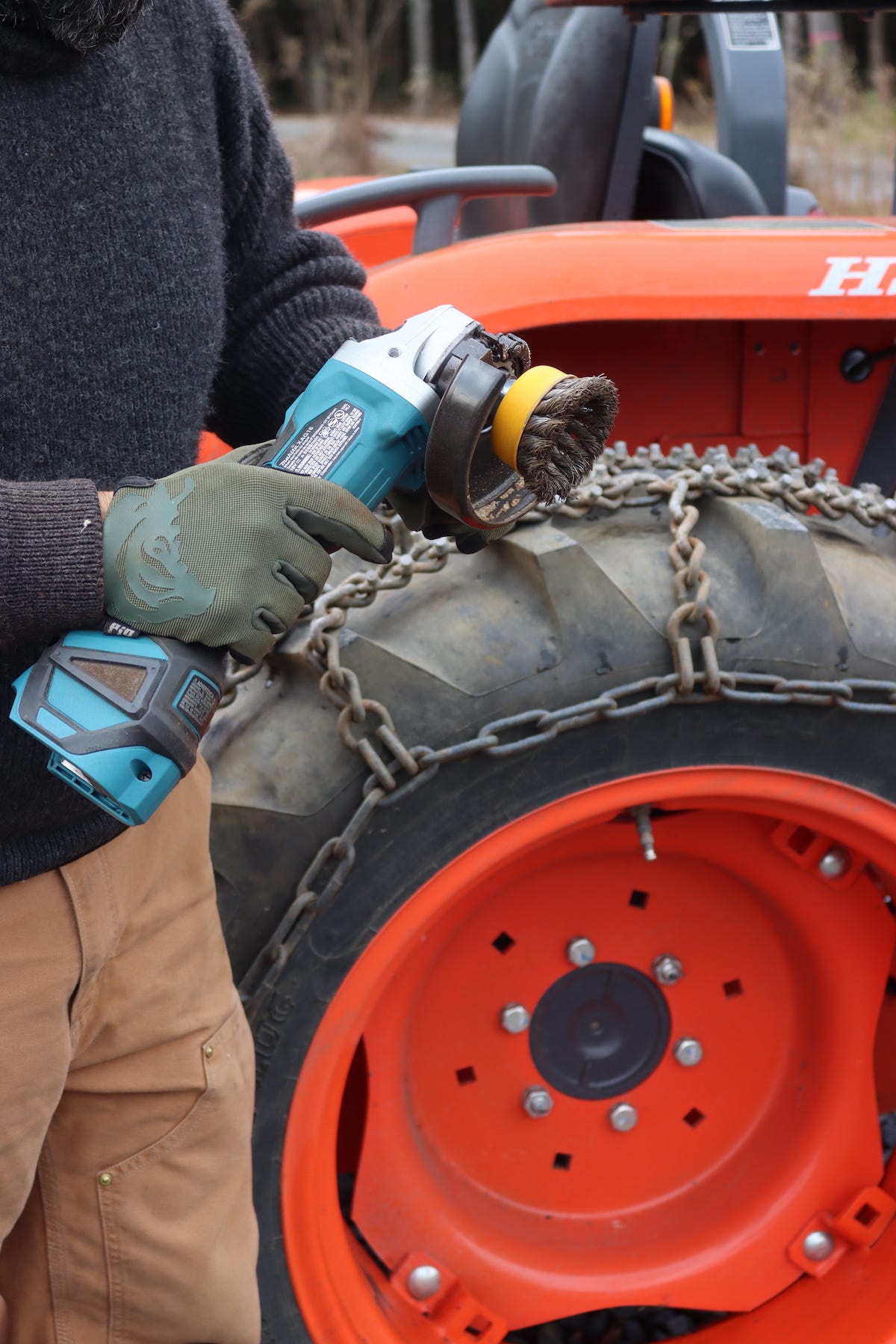
It’s also when we do a heavy round of tractor maintenance to make sure our work horse is ready for winter. Scraping off rust with an angle grinder, re-painting, lubricating and changing all the filters before they’re tested by freezing weather.
In the Community
October is quieter socially than September, but there’s still a lot of neighborly sharing going on. Extra apples, cider, pumpkins, and even cuts of fresh pork often make the rounds as everyone processes their harvests and livestock.
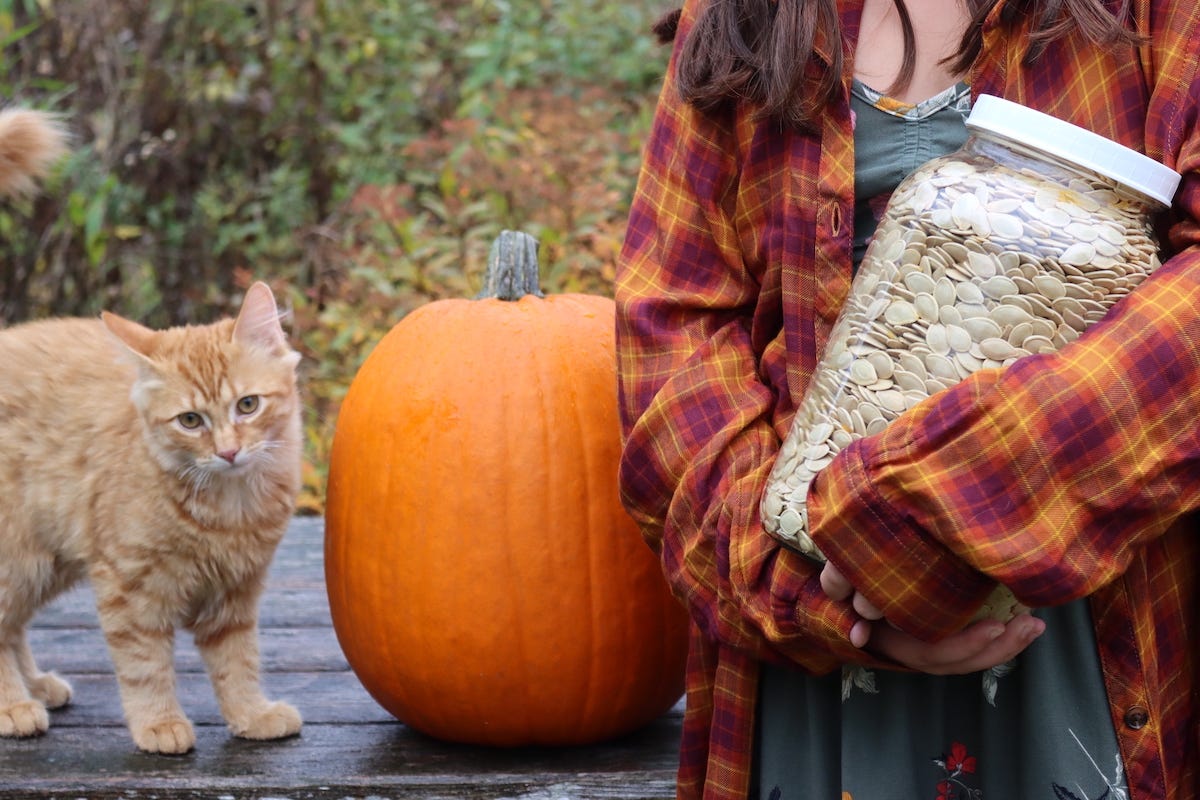
We’re carving pumpkins, and roasting pumpkin seeds by the gallon full for winter snacking (and for sharing with neighbors).
There are a few late-season fairs and festivals, but mostly October feels like a time to hunker down. We’ll swap jars of preserves, share mugs of cider around the fire, and enjoy the last crisp outdoor gatherings before winter pushes us all indoors.
What’s happening in October where you live? What are you harvesting, preserving, or preparing on your homestead this week? I’d love to hear in the comments!
Until Next Time,
Ashley at Practical Self Reliance
How do you have time to blog? 😂
You have such a great harvest! Do you have no bugs in Vermont? Just kidding, you must. But how do you protect your crops from them without deadly sprays? And the things you forage, how do you beat the wildlife to them? It would be great if you posted an article on crop protection!